Toe
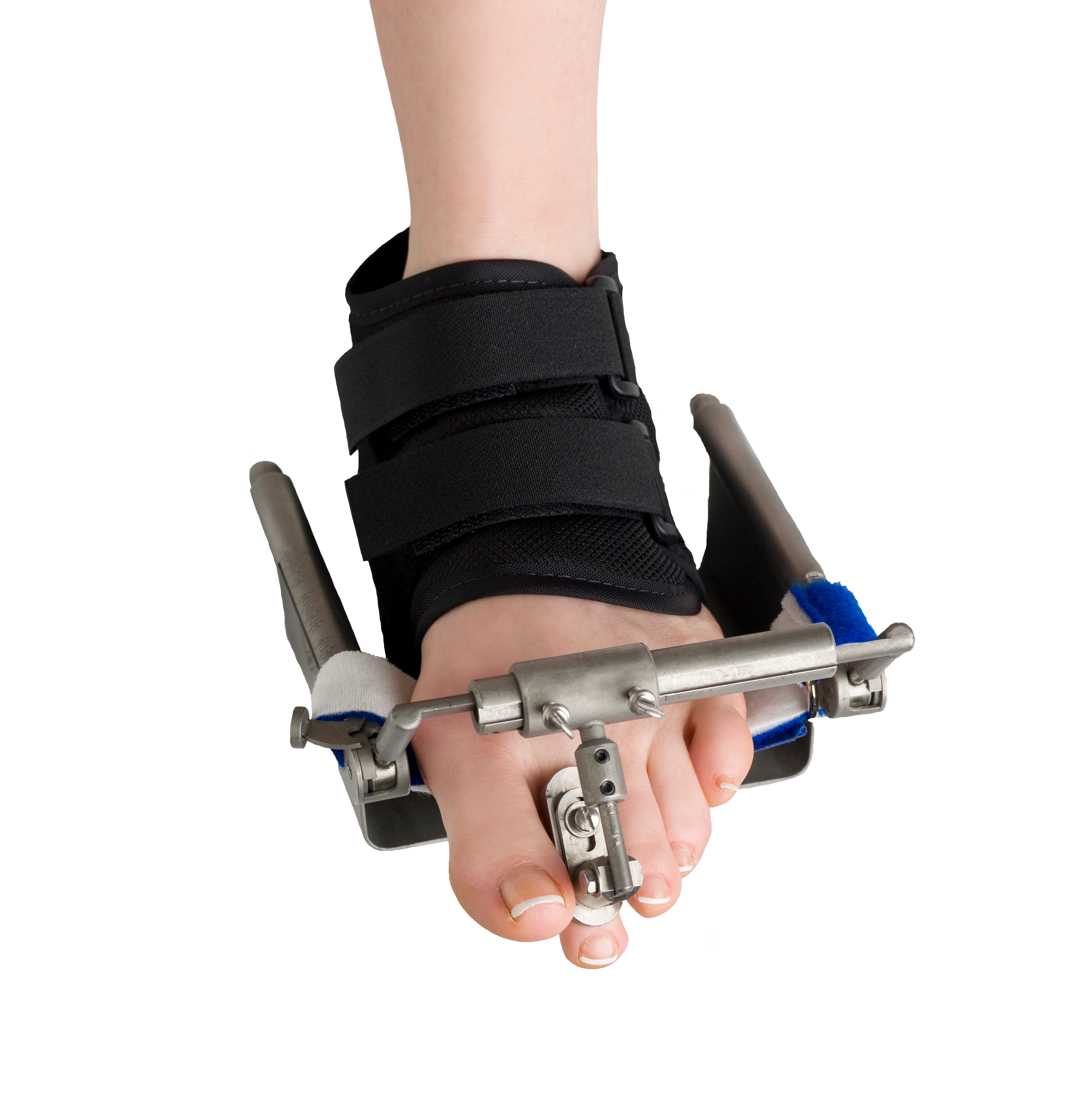
When recovering from surgery or another type of trauma or injury to the toe, patients need a high-quality solution to speed the rehabilitation process. The Toe Dynasplint® System helps patients accelerate recovery and supplement physical therapy exercises at home. Our innovative Dynasplint Systems increase your range of motion effectively and comfortably. If you are ready for a non-invasive solution, the Toe Dynasplint System can help.
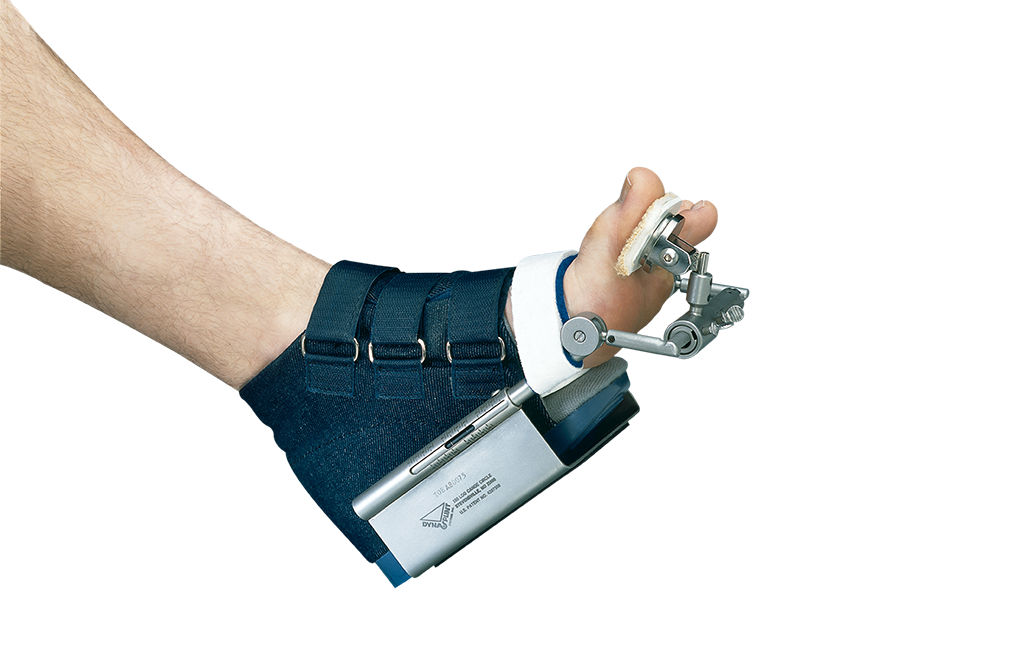
Toe Dynasplint® System
We designed the Dynasplint® System to increase your range of motion and accelerate your recovery period after surgery, injury or trauma.
Patients who use the Dynasplint System at home, alongside their prescribed home exercise program, experience more consistent progress and are more likely to have a successful rehabilitation experience.
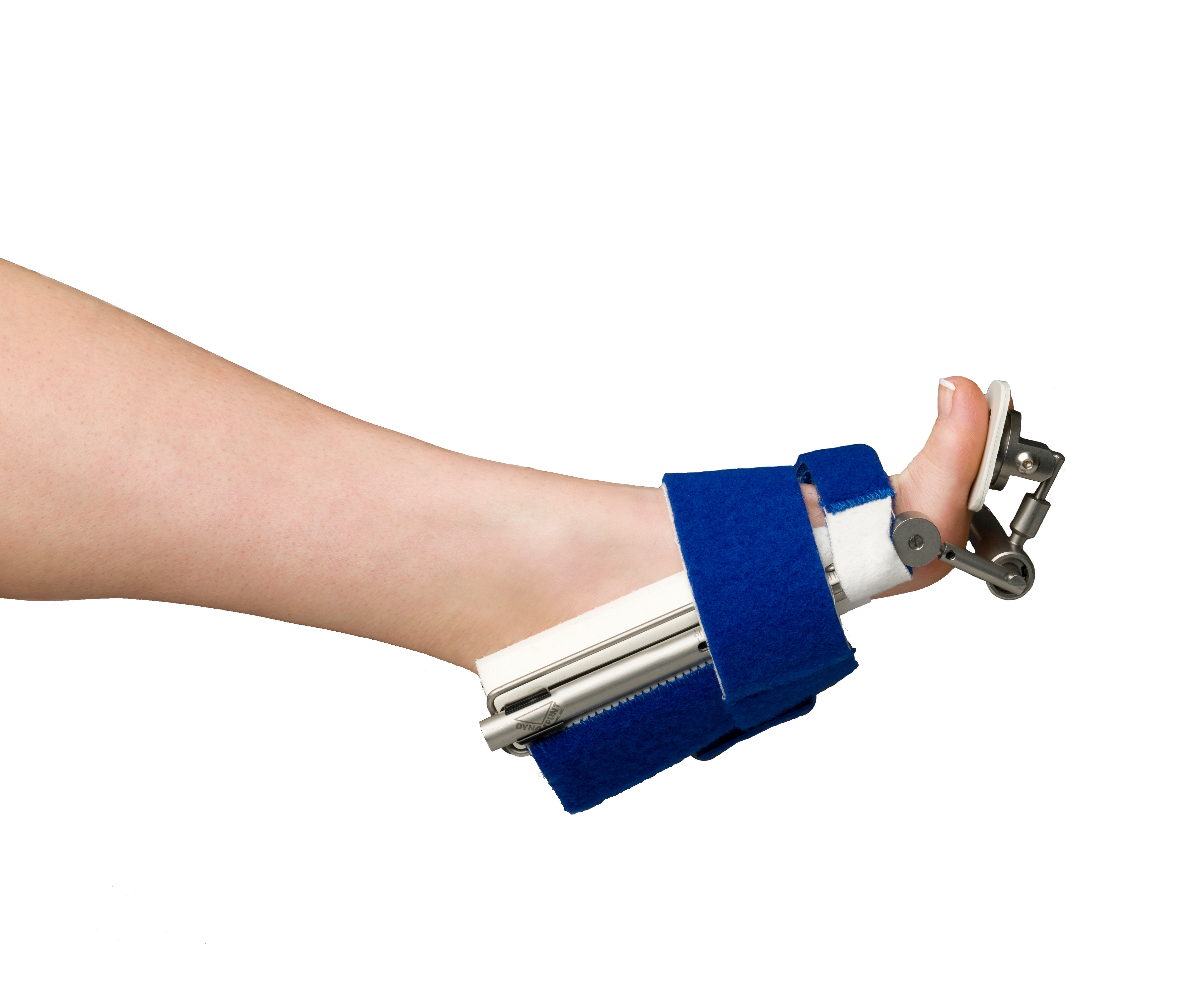
Dynasplint® System
– Type I
Range of Motion: 0° neutral to 90° extension
Dynasplint® System
– Type III
Range of Motion: 0° neutral to 90° extension
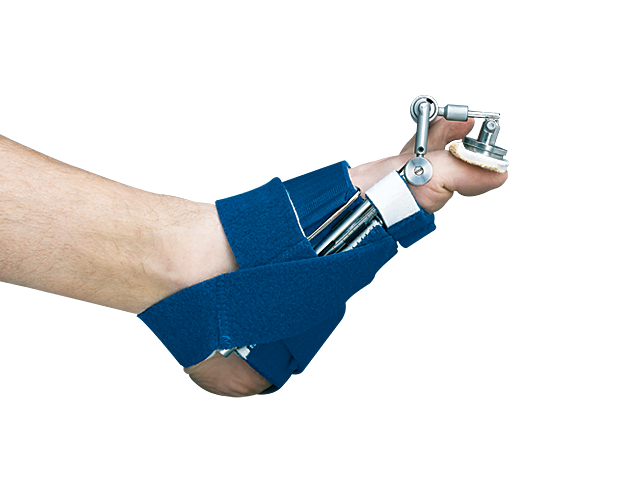
Dynasplint® System
– Type I
Range of Motion: 0° neutral to 90° flexion
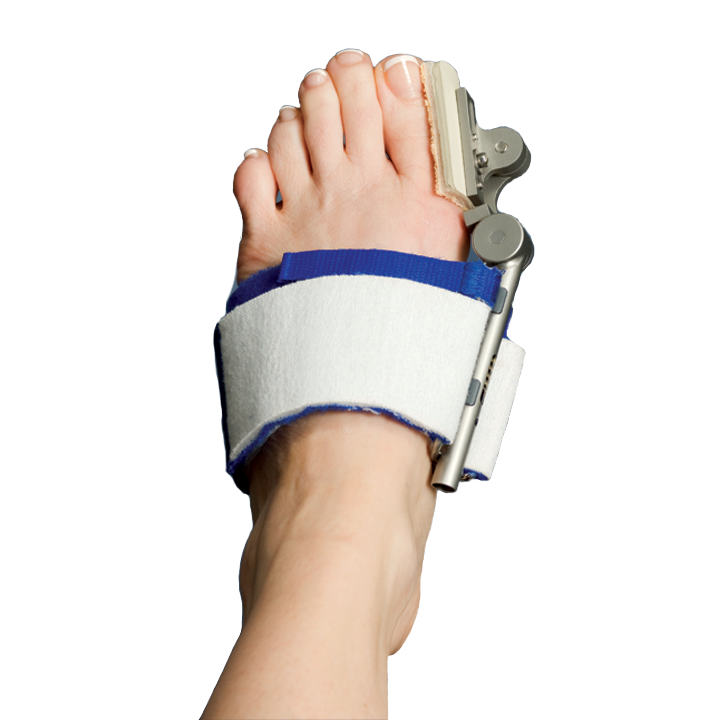
Dynasplint® System
Range of Motion: -20° adduction to 70° abduction
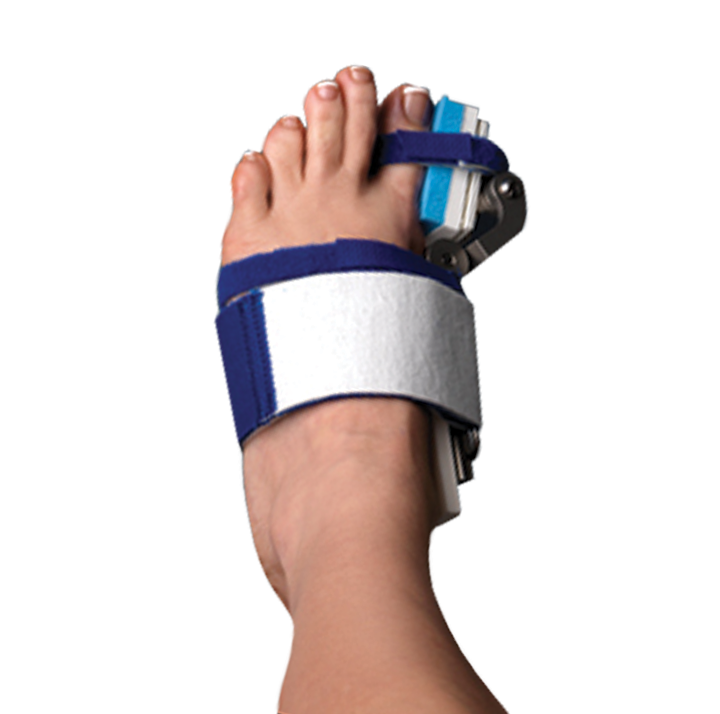
Dynasplint® System
Range of Motion: -20° abduction to 70° adduction
Ready to Get Started?
Dynasplint® Systems are for patients who want to recover their lost range of motion in a shorter amount of time. The simple and adjustable design makes it easy to adhere to a home exercise program. The Toe Dynasplint Systems are for the adult patient and can be either rented or purchased. Each is comfortable to use, biomechanically correct and can be adjusted to each user to ensure maximum comfort and exceptional results. A caring member of the Dynasplint team follows up with each patient to check in on the progress, answer any questions and make any necessary fitting adjustments so that goals are met.
Our innovative dynamic splinting system mimics a physical therapist’s hands using gentle tension. Every time you use your Dynasplint System, you will be replicating that tension giving you a low-load, prolonged-duration stretch (LLPS). Using the Dynasplint System, you will receive the best home passive range of motion program available.
A clinical study found a 53% average reduction in rehabilitation time and cost with the use of the Dynasplint System alongside physical therapy. More than one million patients have already benefited from using our systems—join them today!
Prescribing Dynasplint® as soon as the patient is ready for gentle stretching achieves the best results. Early application allows patients to accelerate the benefits of Dynasplint as part of a complete home exercise program.
If you are considering surgery, speak to your physician or therapist about obtaining a Dynasplint System proactively so we can help you maximize your results during the early phase of healing and alongside your post-operative home exercise program.
Bunionectomy
Hallux Limitus
Tendon and Ligament Repairs
Toe Implants
Rheumatoid Arthritis
Arthroplasty
Elevatus
Hammer Toe Surgery
Extensor Tendon Contracture
Hallux Valgus
Hallux Varus
Other Orthopedic Conditions
Talk to your doctor to find out if Dynasplint® is right for you.
Furia J, Willis B, Curran S, and Shanmugam R “Meta-analysis in Contracture Reduction of the Lower Extremity” Presented at American College of Sports Medicine, Annual Conference 2013.
John M, Willis B “Dynamic Splinting for Hallux Valgus and Hallux Varus: A Pilot Study” The Foot and Ankle Online Journal. 2010 January; 3(1):1
Lundequam P, Willis FB “Dynamic Splinting Home Therapy for Toe Walking: A Case Report” Cases Journal.10 November 2009; 2:188
John M, Willis B, Portillo A “Dynamic Splinting for Runner’s Toe: A Case Report with Gait Analysis” JAPMA July/Aug 2009; 99:4
Kalish SR, Willis FB “Hallux Limitus and Dynamic Splinting: A Retrospective Series” The Foot and Ankle Online Journal. 2009 April; 2(4).
Spears T, Willis FB, Winward T “Hallux Rigidus and Post Operative Dynamic Splinting: A Case Report” Presented Mountain/Central Regional Occupational Therapy Conference 2008
Harvey L, Herbert R, Crosbie J “Does Stretching Induce Lasting Increases in Joint ROM? A Systematic Review” Physiotherapy Research International. 2002; 7(1):1-13
McClure P, Blackburn L, Dusold C “The Use of Splints in the Treatment of Joint Stiffness: Biologic Rationale and an Algorithm for Making Clinical Decisions” Physical Therapy. 01 Dec 1994; 74(12):18-24
Hepburn G “Case Studies: Contracture and Stiff Joint Management with Dynasplint” The Journal of Orthopedic and Sports Physical Therapy. 1987 April; 8(10):498-503
Dynasplint® Systems are for patients who want to recover their lost range of motion in a shorter amount of time. The simple and adjustable design makes it easy to adhere to a home exercise program. The Toe Dynasplint Systems are for the adult patient and can be either rented or purchased. Each is comfortable to use, biomechanically correct and can be adjusted to each user to ensure maximum comfort and exceptional results. A caring member of the Dynasplint team follows up with each patient to check in on the progress, answer any questions and make any necessary fitting adjustments so that goals are met.
Our innovative dynamic splinting system mimics a physical therapist’s hands using gentle tension. Every time you use your Dynasplint System, you will be replicating that tension giving you a low-load, prolonged-duration stretch (LLPS). Using the Dynasplint System, you will receive the best home passive range of motion program available.
A clinical study found a 53% average reduction in rehabilitation time and cost with the use of the Dynasplint System alongside physical therapy. More than one million patients have already benefited from using our systems—join them today!
Prescribing Dynasplint® as soon as the patient is ready for gentle stretching achieves the best results. Early application allows patients to accelerate the benefits of Dynasplint as part of a complete home exercise program.
If you are considering surgery, speak to your physician or therapist about obtaining a Dynasplint System proactively so we can help you maximize your results during the early phase of healing and alongside your post-operative home exercise program.
Bunionectomy
Hallux Limitus
Tendon and Ligament Repairs
Toe Implants
Rheumatoid Arthritis
Arthroplasty
Elevatus
Hammer Toe Surgery
Extensor Tendon Contracture
Hallux Valgus
Hallux Varus
Other Orthopedic Conditions
Talk to your doctor to find out if Dynasplint® is right for you.
Furia J, Willis B, Curran S, and Shanmugam R “Meta-analysis in Contracture Reduction of the Lower Extremity” Presented at American College of Sports Medicine, Annual Conference 2013.
John M, Willis B “Dynamic Splinting for Hallux Valgus and Hallux Varus: A Pilot Study” The Foot and Ankle Online Journal. 2010 January; 3(1):1
Lundequam P, Willis FB “Dynamic Splinting Home Therapy for Toe Walking: A Case Report” Cases Journal.10 November 2009; 2:188
John M, Willis B, Portillo A “Dynamic Splinting for Runner’s Toe: A Case Report with Gait Analysis” JAPMA July/Aug 2009; 99:4
Kalish SR, Willis FB “Hallux Limitus and Dynamic Splinting: A Retrospective Series” The Foot and Ankle Online Journal. 2009 April; 2(4).
Spears T, Willis FB, Winward T “Hallux Rigidus and Post Operative Dynamic Splinting: A Case Report” Presented Mountain/Central Regional Occupational Therapy Conference 2008
Harvey L, Herbert R, Crosbie J “Does Stretching Induce Lasting Increases in Joint ROM? A Systematic Review” Physiotherapy Research International. 2002; 7(1):1-13
McClure P, Blackburn L, Dusold C “The Use of Splints in the Treatment of Joint Stiffness: Biologic Rationale and an Algorithm for Making Clinical Decisions” Physical Therapy. 01 Dec 1994; 74(12):18-24
Hepburn G “Case Studies: Contracture and Stiff Joint Management with Dynasplint” The Journal of Orthopedic and Sports Physical Therapy. 1987 April; 8(10):498-503
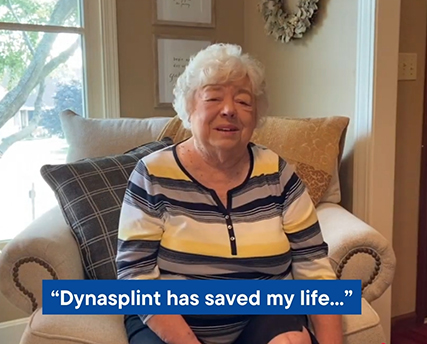
Hear From Practitioners and Our Patients
Visit our YouTube Channel to hear their stories.
Hear their Stories